
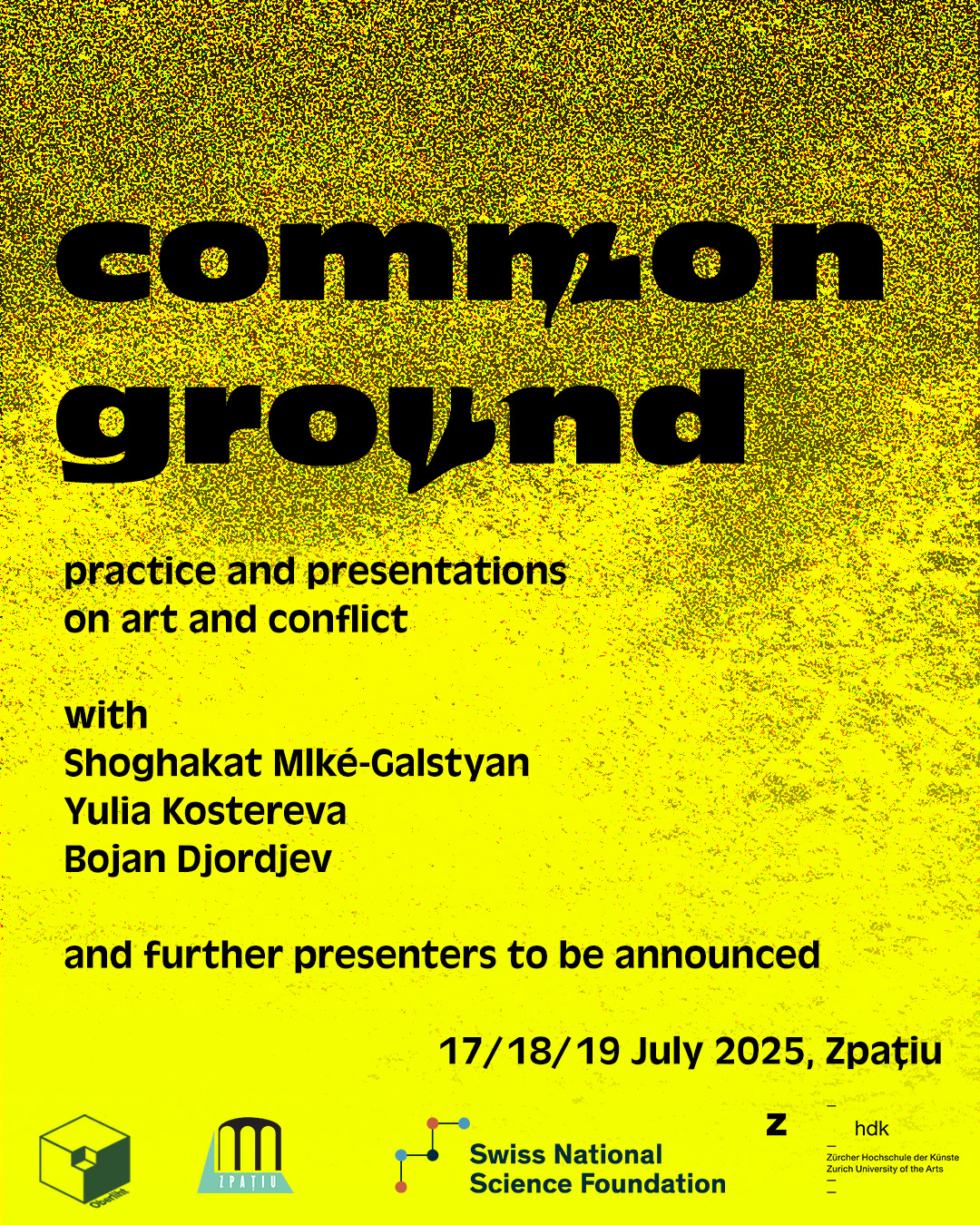
Common Ground – presentations and discussions on art and conflict
Thursday, July 17, 2025, 6-8 pm
Friday, July 18, 2025, 6-8 pm
Saturday, July 19, 2025, 6-8 pm
Zpace (Casa Zemstvei,103 Al. Șciusev Street, Chisinau)
We invite the general public to attend the Common Ground program – a series of presentations followed by discussions on the relationship between art and conflict, with the participation of Rusanda Curca – cultural, environmental and civic activist (Moldova), Bojan Djordjev – theatre maker (Serbia), Yulia Kostereva – artist and curator (Ukraine), Shoghakat Mlke-Galstyan – choreographer and cultural manager (Armenia), Anna Provozin – artist of Ukrainian origin based in Moldova and Vitalie Sprînceană – sociologist and journalist (Moldova).
Three sessions with the participation of these guests will be held between July 17-19, 2025 at Zpace (Casa Zemstvei), in close connection with the series of practical exercises organized in the first part of the day, within an art education program.
In this section of the program, guests will talk about the social movements and conflicts that preceded and created the conditions that led to a subsequent war, and about the role of artists, cultural workers and independent artistic initiatives in preventing and minimising conflict in society.
The discussions will focus on the guests’ artistic practice, and how it relates to the theme of conflict in their home countries (Armenia, Moldova, Serbia and Ukraine), thus providing further development of the theme Culture wars in times of polarization – a cycle of meetings held throughout 2023-2025, in the framework of the research project Contemporary art, popular culture, and peacebuilding in Eastern Europe. The project aims to understand the role that art and culture play in three different social and political conflicts (in Poland, Armenia and the Republic of Moldova).
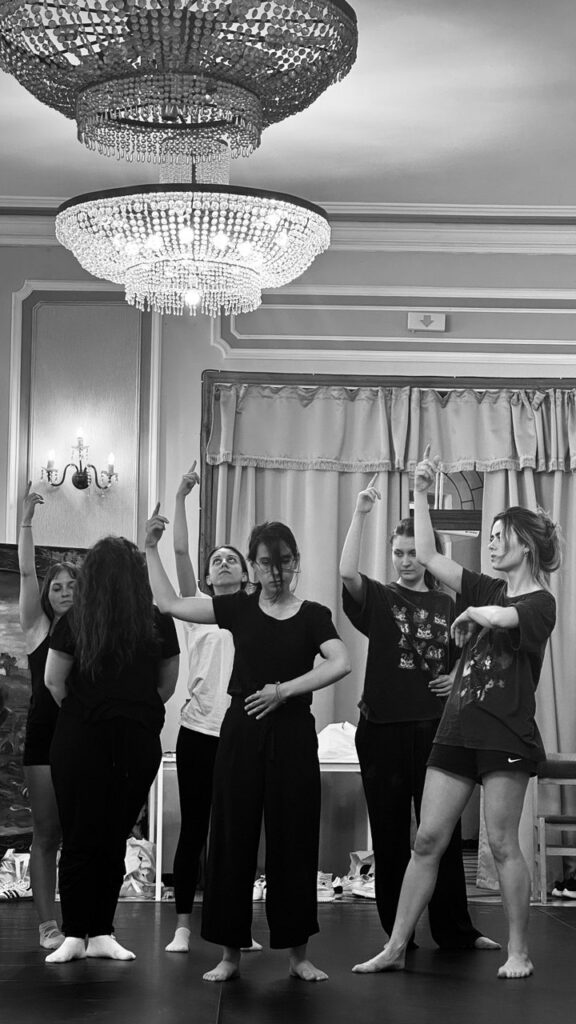
Presentations and discussions schedule:
Thursday, July 17, 2025 / 6:00 pm – 8:00 pm
Art as a space for dialogue and healing: reflections from Armenia’s post-war reality, by Shoghakat Mlke-Galstyan
Starting from the question of what role art can embody in a war and post-war situation, Shoghakat will speak about memory preservation, artistic response, and how art can serve as a space for mediation and reflection, especially in times of wars.
The presentation will include various perspectives from contemporary artists in Armenia, including how their work engages with displacement, absence, and collective healing.
Art as an instrument of healing and holding space together: experience of working with vulnerable youth and Ukrainian refugee teenagers in Moldova, by Anna Provozin
What role does art play in the life of displaced Ukrainian youth, how can it be a funky tool for creating a change and how can it create common spaces for girls where their voices are heard?
Anna will share several examples of projects from Ukraine and Moldova in which she was involved, showing how art helps create safe spaces for vulnerable youth and provides them with a platform to express themselves.
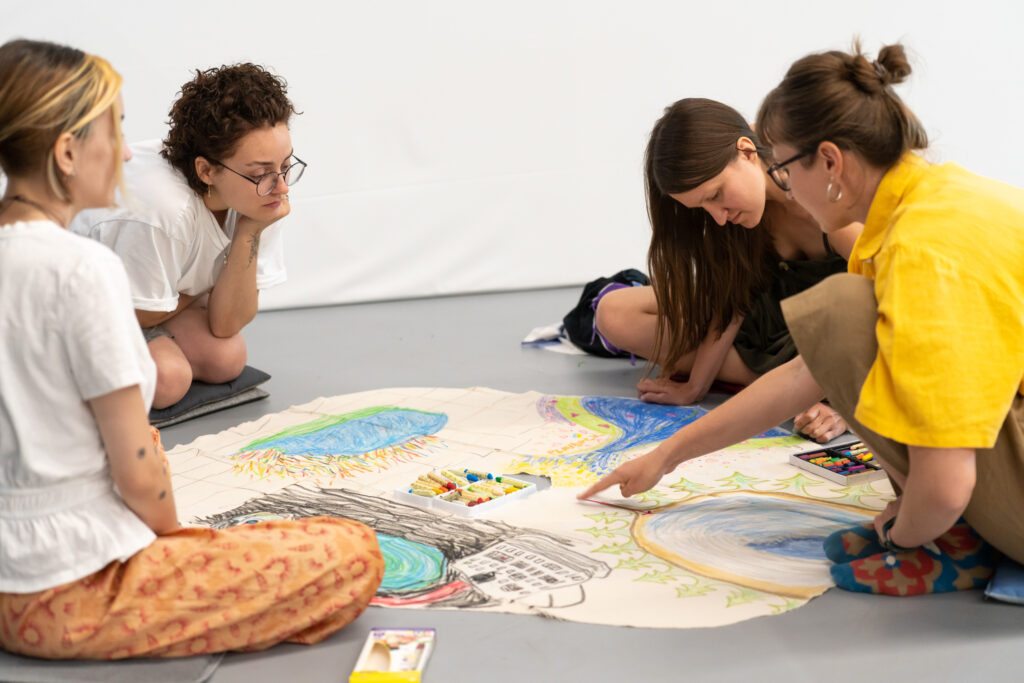
Friday, July 18, 2025 / 6:00 pm – 8:00 pm
The evolution of Ukrainian artists’ artistic strategies in the last decade, by Yulia Kostereva
Yulia will show how artists’ methods and strategies have changed during the ten years of war, based on the activity of the platform Open Place. Her presentation will explore how the full-scale invasion in 2022 has affected society, cultural life and artists in Ukraine.
Building cultural safe spaces in rural regions, by Rusanda Curca
Rusanda will present projects she worked on since Russia’s invasion of Ukraine in 2022, working with displaced people from Ukraine and integrating them in Moldovan rural communities. She will also touch on building trusting relationships with communities in the Gagauzian region.
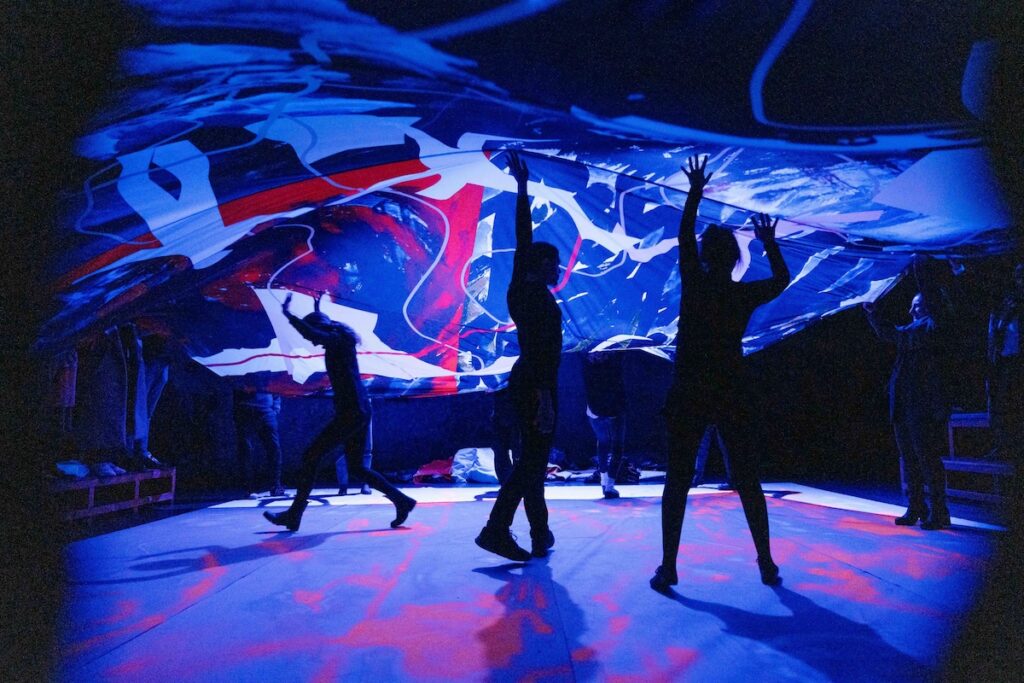
Saturday, July 19, 2025 / 6:00 pm – 8:00 pm
LEFTovers, by Bojan Djordjev
What is left from the 20th century left politics, Marxist thought and material and intellectual heritage of the communist project that can still stimulate our imagination and bring back the narratives of utopian future into the public sphere? What is the role of temporary collectives created in the field of contemporary art and performance in tackling these issues? These questions have been driving Bojan Djordjev’s artistic research and practice for the last little over a decade, and without any certain answers, the only thing he can share are LEFTovers of various try-outs of facing them.
Transformation of public spaces in post-socialism, by Vitalie Sprînceană
Vitalie will trace the evolution of urban spaces in post-socialism and how the ever-increasing privatisation and neo-liberal policies have shaped these spaces profoundly. He will share insights into how local actors have resisted these transformations, which methods they have adopted in response, and how participation in actions centering the public sphere can provide a critical approach to democracy.
–
Participants are encouraged to adopt a proactive attitude during the meetings. We aim to ensure a relaxed and open atmosphere for discussing difficult topics, confronting different positions, opinions, in a safe, inclusive and welcoming environment.
Presenters:
Rusanda Curca [MD] – cultural, environmental and civic activist from Moldova. She is the co-founder of the Centre for cultural projects ”Arta Azi”, an organisation that promotes access to art and culture in rural areas and marginalised groups. She is also the director of the Coalition of the Independent Cultural Sector from the Republic of Moldova, an umbrella organisation that unites representatives of the independent cultural scene.
Bojan Djordjev [RS] – theatre maker, educated in theatre directing and art theory in Belgrade and Amsterdam. He is both interested in contemporary playwrights as well as working on interdisciplinary research projects. His research deals with issues of artistic and cultural heritage of socialism in Yugoslavia and elsewhere, capitalist economy and finding artistic and theatrical public formats for Marxist thought.
Yulia Kostereva [UA] – artist, curator, and organizer. She graduated from the National Academy of Fine Art and Architecture, Kyiv (2001). Her practice concerns both visual arts and art of interaction. In 1999, with the artist Yuriy Kruchak, she launched the interdisciplinary platform Open Place.
Shoghakat Mlke-Galstyan [AM] – Yerevan-based choreographer, performer, and cultural manager whose work bridges contemporary performing arts, research, and social engagement. She is the founder and soloist of MIHR Theatre, manager of Tiezerk Band, and lecturer at the Yerevan State Institute of Theatre and Cinematography.
Anna Provozin [MD] – artist based in Moldova, originally from Lviv, Ukraine. Anna works with teenagers from vulnerable groups at the Non-formal education center “Diversity”, using artistic methods to foster social change.
Vitalie Sprînceană [MD] – sociologist, journalist, editor, archivist and activist based in Moldova. He is part of Platzforma, an on-line platform about progressive politics, ideas, people, culture and activism. He is involved in urban struggles around the issue of the commons, participatory democracy, inclusion, urban gardening and social justice.
–
This activity is organized by Oberliht Association in partnership with ZHdK, in the framework of the research project Contemporary art, popular culture, and peacebuilding in Eastern Europe, with the support of the Ministry of Culture of the Republic of Moldova and of the Swiss National Science Foundation / hosted by Zpace / media partners: #diez, youth.md, fest.md, agora.md and platzforma.md / technical support: CSCI of RM. The content of this project does not necessarily reflect the views of the donors.