
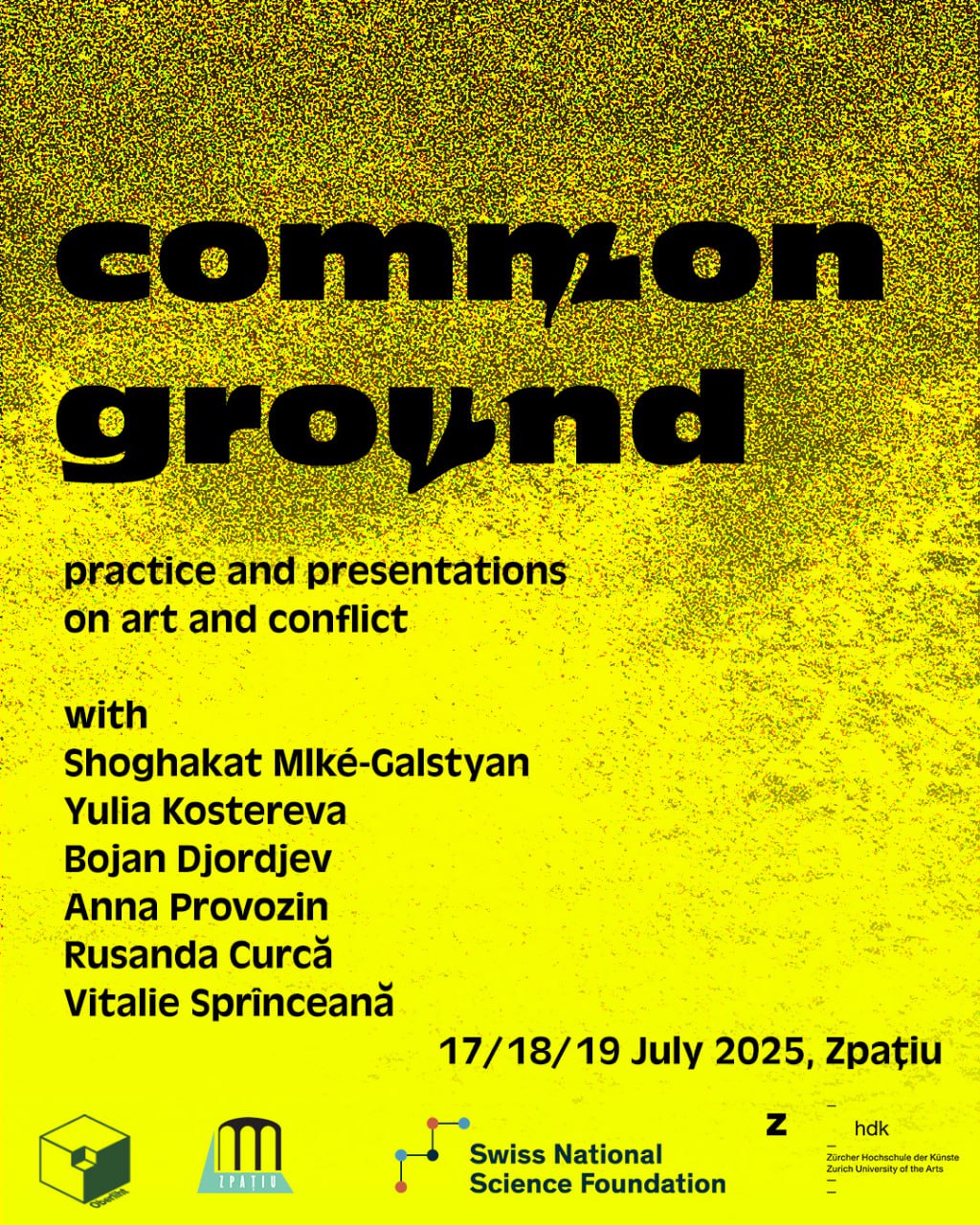
Common Ground on relation between art and conflict – video documentations of the presentations and public discussions
The Common Grounds program took place between July 17-19, 2025, at Zpace, consisting of several practical sessions followed by presentations with guests from Armenia, Moldova, Serbia, and Ukraine. The discussions have broadened the understanding of the guests’ artistic practice and how it relates to the theme of conflict in their countries of origin.
The program develops the theme of Culture Wars in Times of Polarization– a series of meetings facilitated by Rada Leu, researcher and cultural worker, held between 2023 and 2025 as part of the research project Contemporary Art, Popular Culture, and Peacebuilding in Eastern Europe. The project aims to understand the role that art and culture play in three different social and political conflicts (in Poland, Armenia, and the Republic of Moldova).
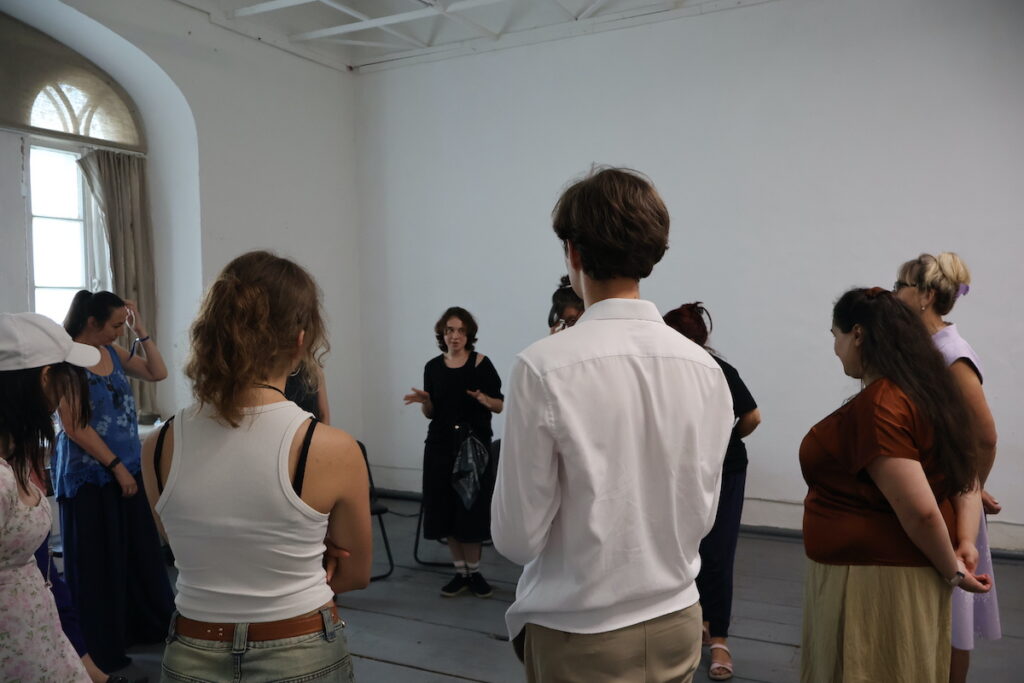
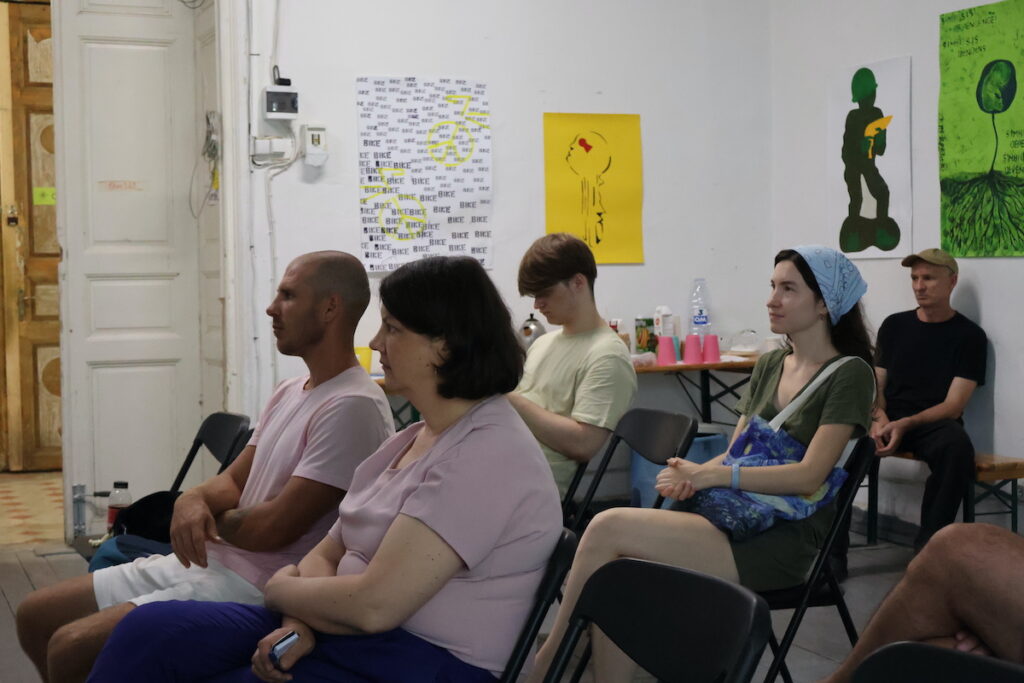
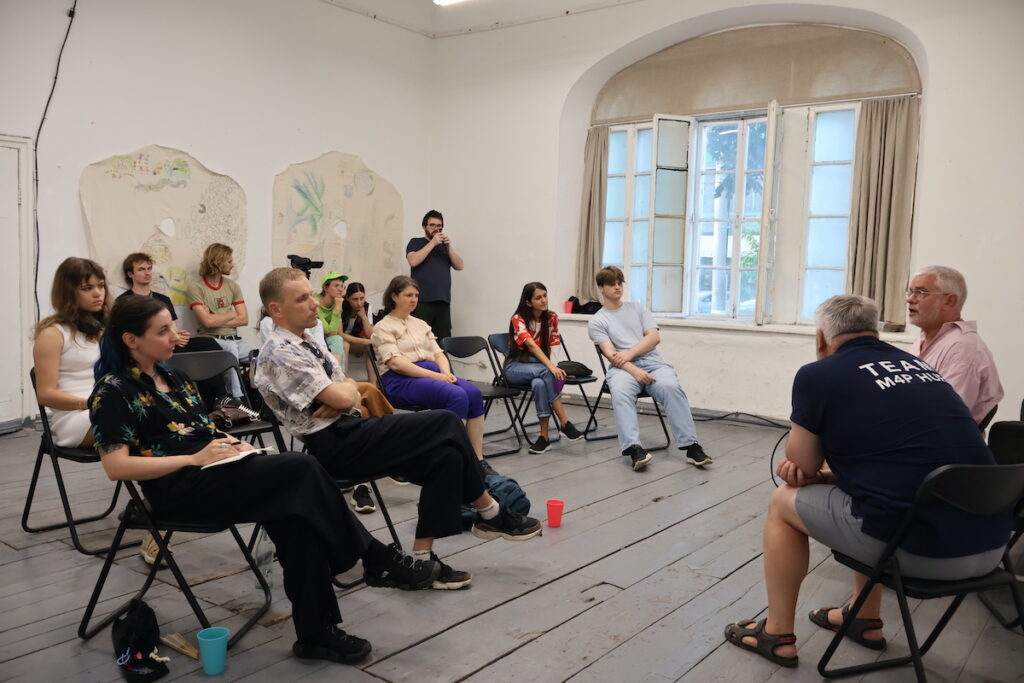
Below, you will find several videos that show the six presentations on the relationship between art and conflict, which were followed by discussions with the audience. In their presentations, the speakers talk about the social movements and conflicts that preceded and created the conditions that subsequently led to war, as well as the role of artists, cultural workers, and independent cultural initiatives in preventing and/or mediating conflicts in society.
We invite you to watch the three episodes to immerse yourself in a unique cultural experience with Rusanda Curcă, cultural, environmental, and civic activist (Moldova); Bojan Djordjev, theater maker (Serbia); Yulia Kostereva, artist and curator (Ukraine); Shoghakat Mlke-Galstyan – choreographer and cultural manager (Armenia), Anna Provozin – artist of Ukrainian origin based in Moldova, and Vitalie Sprînceană – sociologist and journalist (Moldova).
July 17, 2025
Art as a tool for healing and maintaining space for dialogue in two different contexts – the post-war reality of Armenia and the experience of working with vulnerable young people and Ukrainian refugee teenagers in Moldova – characterized the first day:
– Art as a tool for healing and holding space together: experience of working with vulnerable youth and Ukrainian refugee teenagers in Moldova, by Anna Provozin (Ukraine / Moldova)
– Art as a space for dialogue and healing: reflections from Armenia’s post-war reality, by Shoghakat Mlke-Galstyan (Armenia)
July 18, 2025
The second day explored how Russia’s large-scale invasion of Ukraine in 2022 affected society, cultural life, and artists in Ukraine and Moldova. Seen through the lens of the presenters, the discussions focused on the evolution of artistic strategies adopted by Ukrainian artists over the last decade and the need to build safe cultural spaces in rural areas, with an emphasis on communities in the Gagauzia region:
– Building cultural safe spaces in rural regions, by Rusanda Curca (Moldova)
– The evolution of Ukrainian artists’ artistic strategies in the last decade, by Yulia Kostereva (Ukraine)
July 19, 2025
The third day began with an exploration of the urban transformation processes that impacted public spaces in Chișinău, with a focus on how local actors have resisted these transformations, and continued with questions about 20th-century left-wing politics and Marxist thought, invoking the role of temporary collectives created in the field of contemporary art and performance in addressing the material and intellectual remnants of the communist project:
– Transformation of public spaces in post-socialism, by Vitalie Sprînceană (Moldova)
– LEFTovers, by Bojan Djordjev (Serbia)
–
This activity is organized by Oberliht Association in partnership with ZHdK, in the framework of the research project Contemporary art, popular culture, and peacebuilding in Eastern Europe, with the support of the Ministry of Culture of the Republic of Moldova and of the Swiss National Science Foundation / hosted by Zpace / media partners: fest.md and platzforma.md / technical support: CSCI of RM. The content of this project does not necessarily reflect the views of the donors.